
Carpal Tunnel vs. Cubital Tunnel Syndrome:What’s the Difference?
If you’ve been experiencing numbness, tingling, or weakness in your hands, you may have carpal tunnel syndrome or cubital tunnel syndrome. While both conditions involve nerve compression, they affect different nerves and areas of the arm—and require different treatment approaches.
At Hands-On Orthopedics, we help patients accurately diagnose and treat these common conditions so they can get back to living pain-free.
What is Carpal Tunnel Syndrome?
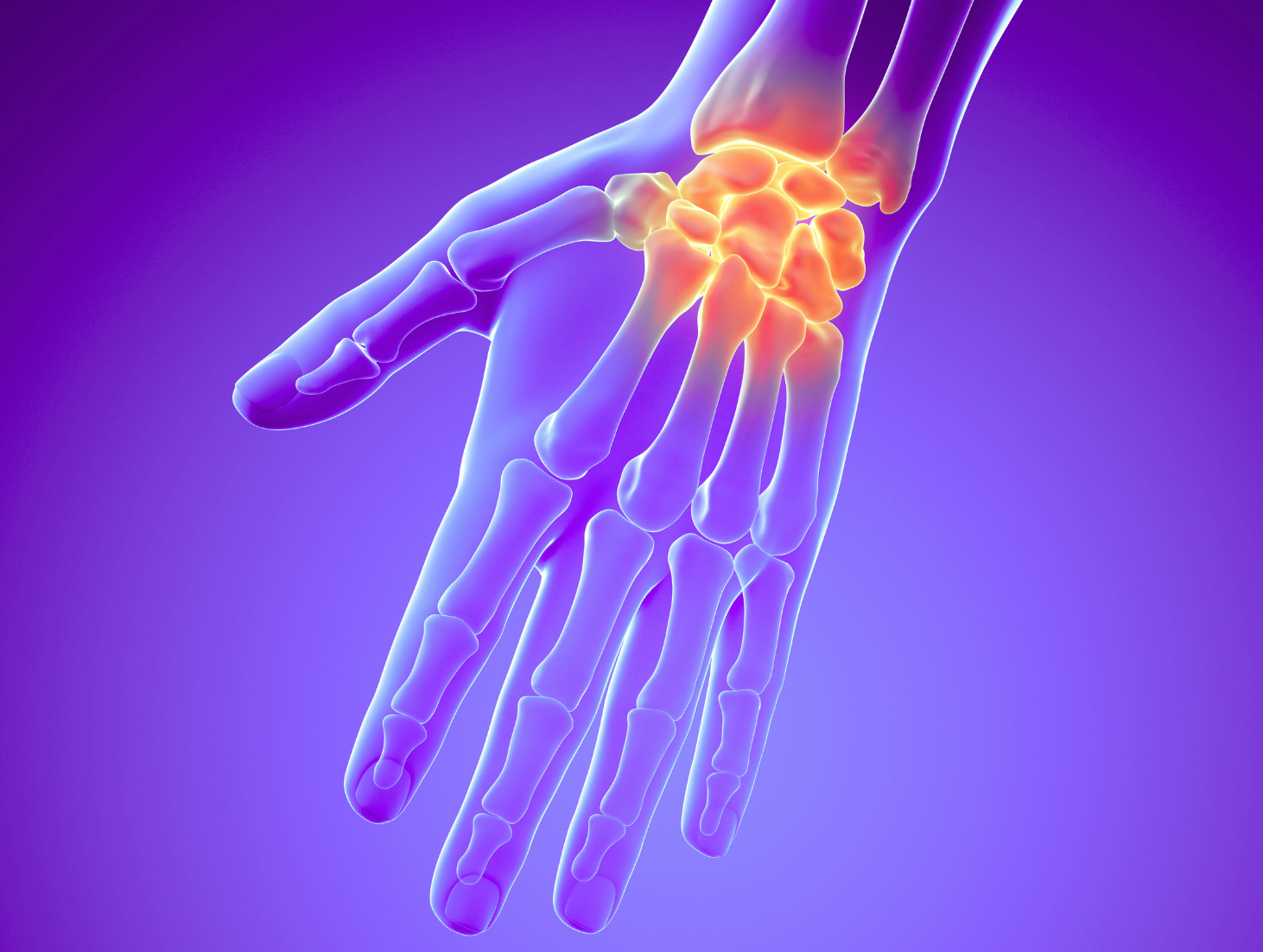
Carpal tunnel syndrome occurs when the median nerve is compressed as it travels through the carpal tunnel in the wrist.
Common Symptoms:
Numbness or tingling in the thumb, index, middle, and part of the ring finger
Hand weakness or dropping objects
Symptoms often worse at night
Pain that may travel up the forearm
Common Causes:
Repetitive hand use (typing, assembly work)
Wrist injuries
Pregnancy or fluid retention
Conditions like diabetes or arthritis

What is Cubital Tunnel Syndrome?
Cubital tunnel syndrome involves compression of the ulnar nerve at the elbow—commonly known as the “funny bone” nerve.
Common Symptoms:
Numbness or tingling in the ring and little fingers
Pain on the inside of the elbow
Weak grip strength
Increased symptoms when the elbow is bent (like when sleeping or talking on the phone)
Common Causes:
Prolonged elbow bending
Leaning on elbows for extended periods
Previous elbow injuries
Repetitive elbow movements
When Should You See a Specialist?
If your symptoms:
Persist for more than a few weeks
Wake you up at night
Affect your grip strength
Interfere with daily activities
…it’s time to seek evaluation. Early diagnosis can prevent permanent nerve damage.
Treatment Options
At Hands-On Orthopedics, treatment is tailored to your condition and severity.
Non-Surgical Treatments:
Bracing or splinting
Anti-inflammatory medications
Activity modification
Physical or occupational therapy
Cortisone Injections to reduce inflammation and relieve nerve pressure
Surgical Options:
If conservative treatments fail, minimally invasive procedures can relieve pressure on the affected nerve and restore function.
Outpatient Surgery performed in a surgical center
In-Office procedures using the Sonex system, offering a less invasive option with quicker recovery times
Don’t Ignore the Signs
Nerve compression conditions don’t just go away on their own—and waiting too long can lead to lasting damage. The good news is that with proper diagnosis and treatment, most patients experience significant relief.
Schedule Your Appointment Today
Relief starts with the right diagnosis.
If your fingers are locking, clicking, or starting to curl, it’s time to get answers.
We specialize in diagnosing and treating upper extremity conditions with expert and personalized care.
We have offices conveniently located in: Trinity, Tampa, Spring Hill, St. Pete, and Wesley Chapel.