
Sacroiliac Joint Pain vs. Sciatica: How to Tell the Difference
Lower back and leg pain can disrupt every part of your day, from sitting at your desk to getting a good night’s sleep. Two common culprits behind this discomfort are sacroiliac (SI) joint pain and sciatica.
While they can feel similar at first, they stem from different causes and require different treatment approaches. Understanding the difference is the first step toward effective relief.
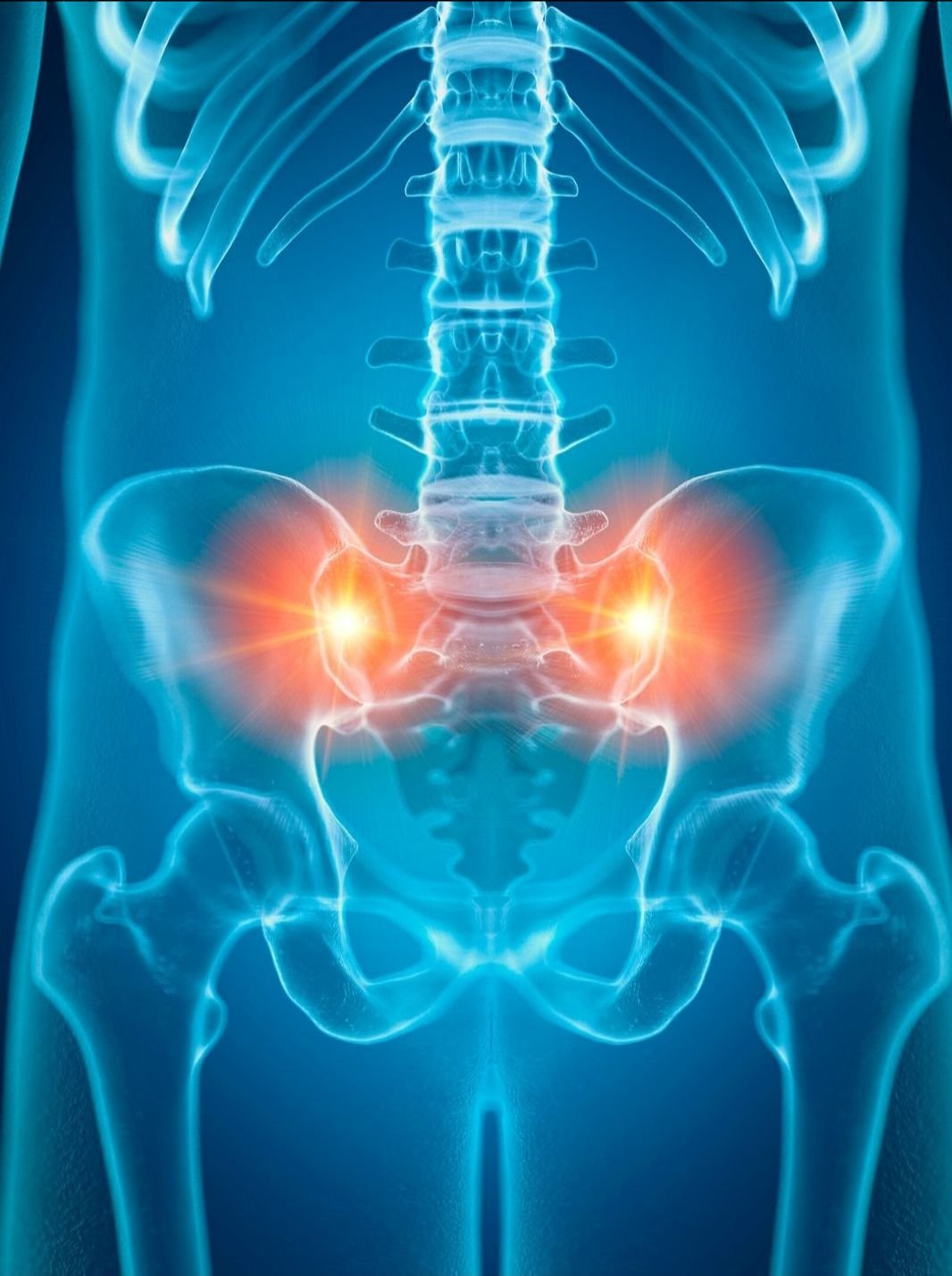
What Is Sacroiliac Joint Pain?
The sacroiliac (SI) joints connect your spine to your pelvis. You have one on each side of your lower back, and their job is to absorb shock and support your upper body when you stand or walk.
SI joint pain is often described as deep and aching rather than sharp or shooting.
Common Symptoms:
Pain localized in the lower back or buttocks
Discomfort that may radiate to the hips or groin
Pain that worsens with standing, climbing stairs, or prolonged sitting
Stiffness or reduced range of motion in the lower back
Common Causes:
Injury or trauma (like a fall or car accident)
Pregnancy-related changes
Arthritis
Uneven leg length or abnormal walking patterns
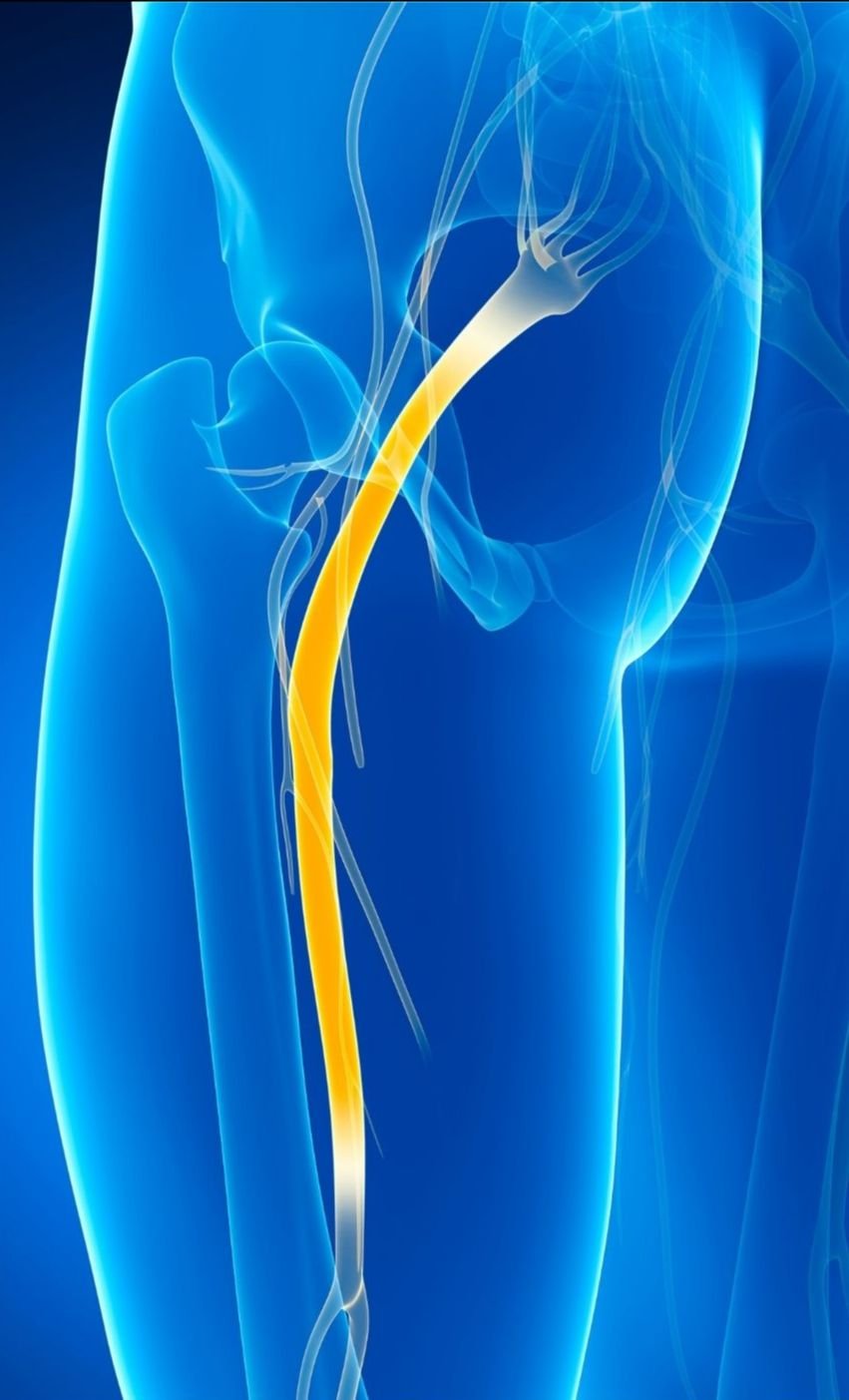
What Is Sciatica?
Sciatica refers to irritation or compression of the sciatic nerve - the longest nerve in your body. It runs from your lower spine down through your hips and buttocks and into each leg.
Sciatica typically affects only one side of the body and follows a clear nerve path down the leg.
Common Symptoms:
Sharp, shooting pain that travels down one leg
Tingling or “pins and needles” sensation
Numbness or weakness in the leg or foot
Pain that worsens when sitting, coughing, or sneezing
Common Causes:
Herniated or bulging discs
Spinal stenosis (narrowing of the spinal canal)
Bone spurs
Muscle tightness (such as piriformis syndrome)
Why an Accurate Diagnosis Matters
Because these conditions can mimic each other, self-diagnosis can lead to ineffective treatment. A proper evaluation, often including a physical exam and sometimes imaging, helps pinpoint the true source of pain.
At Hands-On Orthopedics, we focus on identifying the root cause rather than just treating symptoms. This ensures that your care plan is tailored specifically to your condition.
When Should You See a Specialist?
If your pain persists for more than a few weeks, worsens over time, or includes symptoms like numbness or weakness, it’s time to seek professional care. Early intervention can prevent chronic issues and get you back to your normal activities faster.
Treatment Options
At Hands-On Orthopedics, treatment is tailored to your condition and severity.
Non-Surgical Treatments:
1. Physical Therapy
A customized exercise program helps improve strength, flexibility, and stability. For SI joint pain, therapy focuses on pelvic stabilization. For sciatica, it targets relieving nerve pressure and improving spinal alignment.
2. Manual Therapy
Hands-on techniques can improve joint mobility and reduce muscle tension, especially helpful for SI joint dysfunction.
3. Medications
Over-the-counter anti-inflammatory drugs (like Ibuprofen or Naproxen) can help reduce pain and inflammation. In some cases, prescription medications may be recommended.
4. Activity Modification
Avoiding movements that trigger pain and improving posture can significantly reduce symptoms.
5. Injections
Corticosteroid injections into the SI joint can reduce inflammation
Epidural steroid injections may help relieve sciatic nerve irritation
6. Bracing (for SI Joint Pain)
An SI belt can help stabilize the pelvis and reduce strain on the joint.
7. Heat and Ice Therapy
Simple but effective for managing inflammation and muscle tension.
Surgical Options:
Surgery is generally considered only after conservative treatments fail and symptoms significantly impact daily life.
For Sacroiliac Joint Pain:
SI Joint Fusion
A minimally invasive procedure that stabilizes the joint by fusing the bones together, reducing movement and pain.
For Sciatica:
Microdiscectomy
Removal of part of a herniated disc that is pressing on the nerve.Laminectomy
Removal of part of the vertebra (lamina) to relieve pressure caused by spinal stenosis.Spinal Fusion
In more severe cases, two or more vertebrae are fused to stabilize the spine.
Find Relief and Get Back to Living
Whether your pain stems from the sacroiliac joint or the sciatic nerve, the right diagnosis makes all the difference. A personalized, hands-on approach can help restore mobility, reduce pain, and improve your quality of life.
If you’re unsure what’s causing your discomfort, schedule an evaluation with Hands-On Orthopedics and take the first step toward lasting relief.